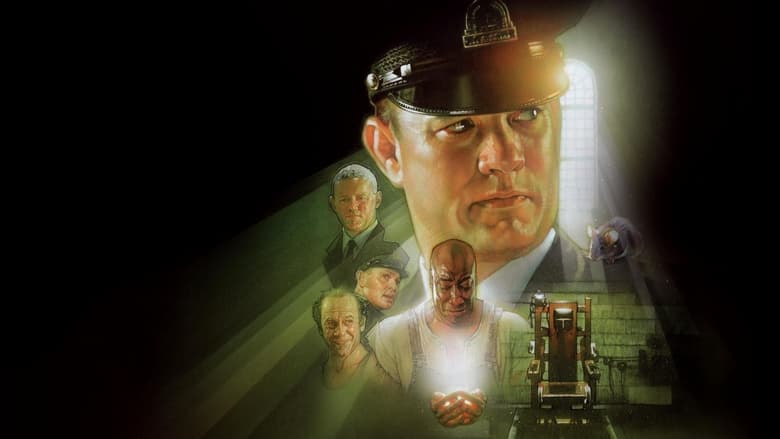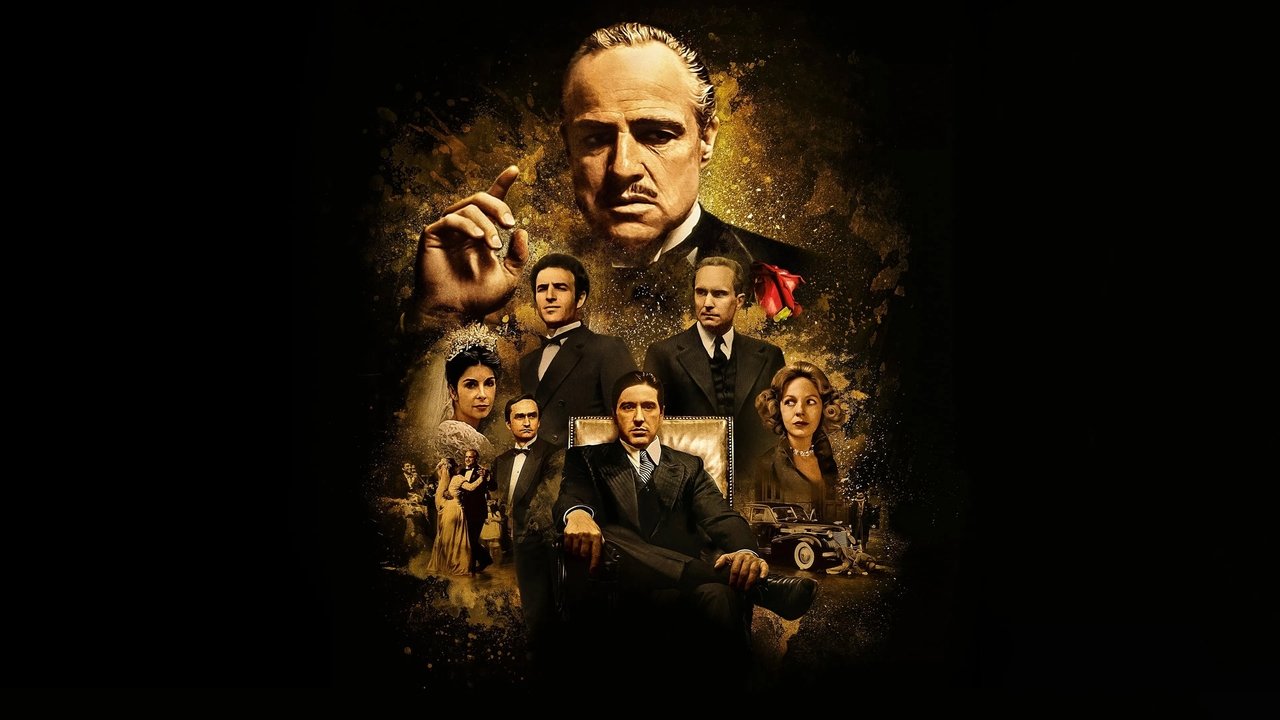
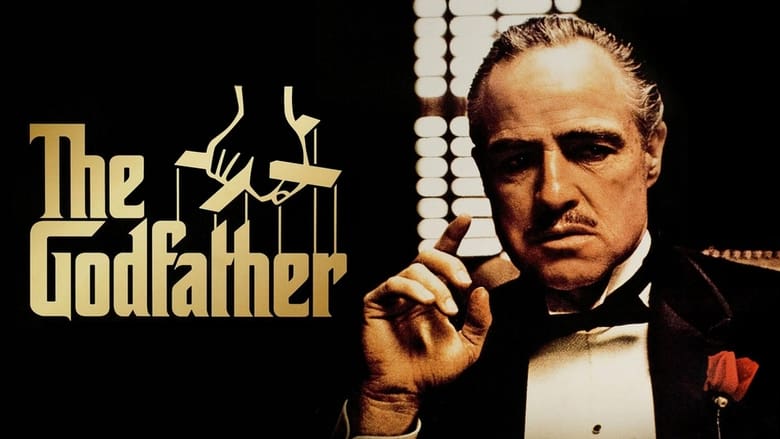
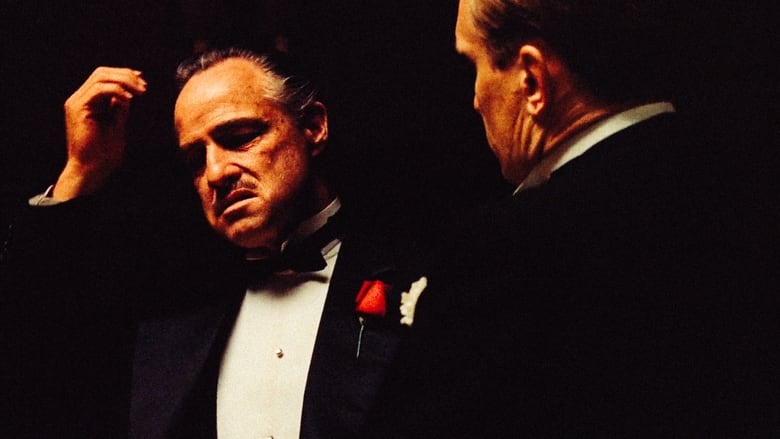
Vito Corleone's supposed honor is a highly calculated myth designed to legitimize his criminal empire and mask the inherent cruelty of his enterprise. While viewers often romanticize Vito because of his devotion to family, his refusal to enter the narcotics trade, and Marlon Brando's warm, paternal performance, the film reveals his code of honor to be deeply hypocritical. Vito presents himself as a champion of the marginalized, offering justice to those failed by the American legal system. However, this justice is never free; it is a transactional trap that binds recipients in lifelong, criminal debt. His refusal to deal drugs is not born of moral purity, but of political pragmatism; he knows his political and judicial allies will tolerate gambling and prostitution, but will abandon him over narcotics. Furthermore, Vito's domestic warmth is built on the violent exploitation of others. He orchestrates the terrorization of Jack Woltz and maintains a network of killers to enforce his will. By wrapping his violence in the language of family duty and respect, Vito successfully sanitizes his legacy, tricking both his family and the audience into viewing a ruthless mob boss as a benevolent patriarch.■
The Green Mile|1999 · Frank Darabont
What is the thematic significance of the green linoleum floor in the prison?
While the green linoleum floor of Cold Mountain Penitentiary is universally understood as a corridor of…