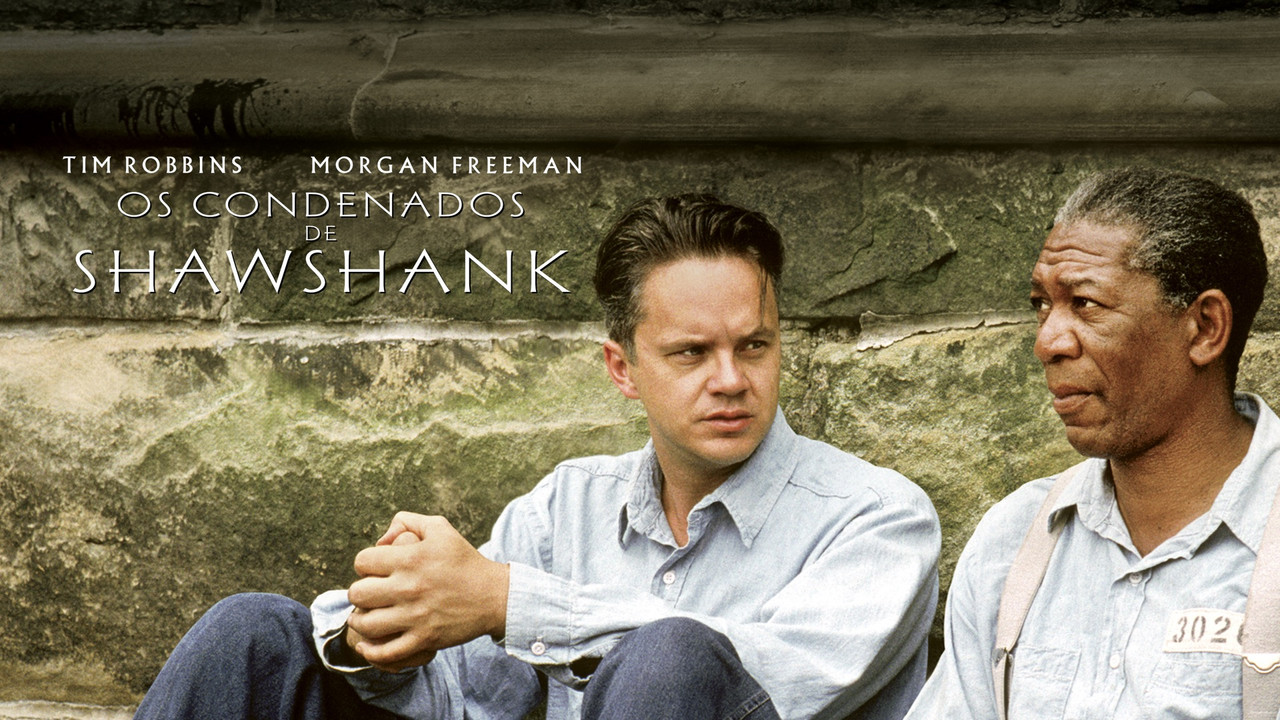
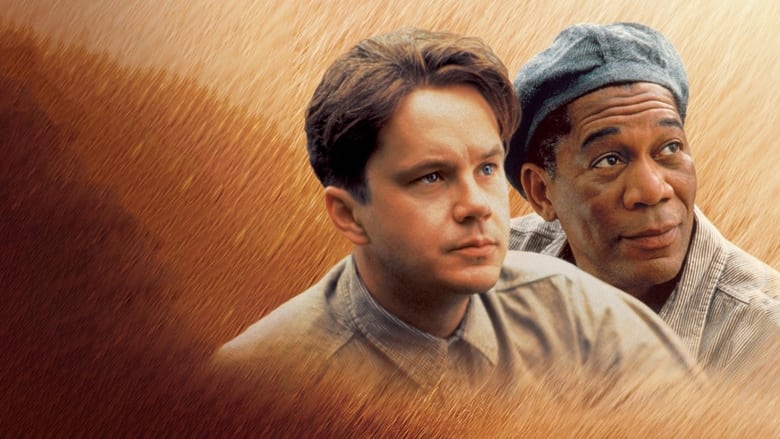
The film subverts the traditional prison break genre by shifting the narrative focus from the physical mechanics of the escape to the slow, spiritual survival of the inmates. In classic prison escape films, the plot is driven by a ticking clock, elaborate planning, and high-tension action sequences. In contrast, The Shawshank Redemption hides its escape plot entirely in plain sight, focusing instead on the mundane details of daily prison life, friendship, and institutionalization. For nearly two hours, the audience is led to believe they are watching a character study about endurance and resignation, only for the film to reveal that a classic escape plot has been happening in the background for nineteen years. By framing the story through Red's perspective rather than Andy's, director Frank Darabont ensures that the emotional core of the film is not the physical breakout itself, but the psychological salvation of the man who stayed behind. The escape is not the climax of the film; rather, Red's decision to keep his promise to Andy and cross the border is the true emotional resolution, transforming a suspense trope into a profound study of human connection.■
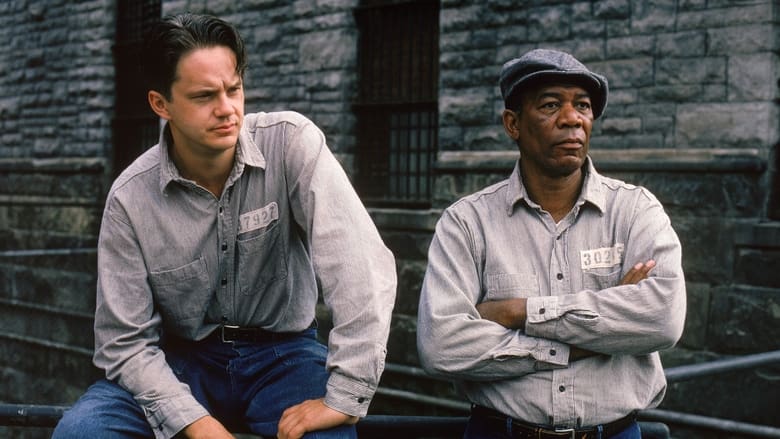
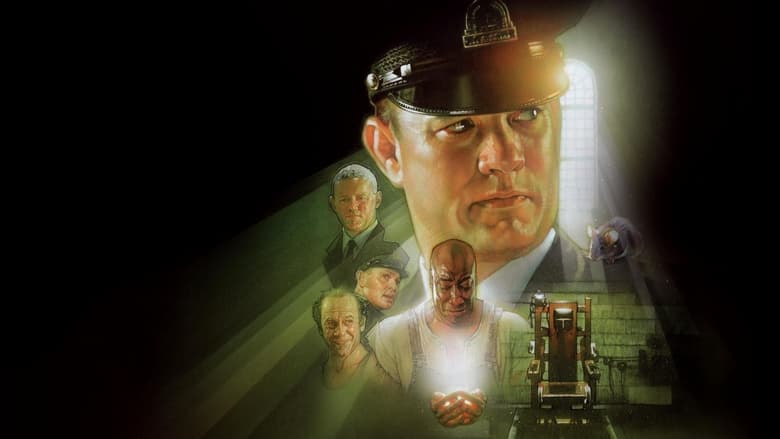
The Green Mile|1999 · Frank Darabont
What is the thematic significance of the green linoleum floor in the prison?
While the green linoleum floor of Cold Mountain Penitentiary is universally understood as a corridor of…