While mainstream readings view Batman as a tragic savior, a rigorous analysis of the film's narrative structure reveals that Batman's vigilante project is fundamentally self-defeating and directly responsible for Gotham's descent into terror. The film opens with Gotham's mobsters forced to meet in broad daylight because they are terrified of the Batman. This pressure, however, creates a power vacuum that allows the Joker to rise. As Lieutenant Gordon presciently warned at the end of Batman Begins, Batman's theatricality invites a theatrical response. The Joker is not a traditional criminal seeking wealth; he is a direct, immunological reaction to Batman's extra-legal existence. By operating outside the law, Batman establishes that rules are arbitrary, a premise the Joker merely takes to its logical, anarchic extreme. Furthermore, Batman's refusal to kill the Joker perpetuates a cycle of violence that costs hundreds of innocent lives, including Rachel Dawes's. The film's final act, where Batman must hide his identity and frame himself for Harvey Dent's crimes, is not a victory but an admission of systemic failure. The vigilante must disappear because his very existence prevents Gotham from developing a legitimate, rule-of-law-based solution to crime, proving that his crusade is a catalyst for the chaos he seeks to cure.■
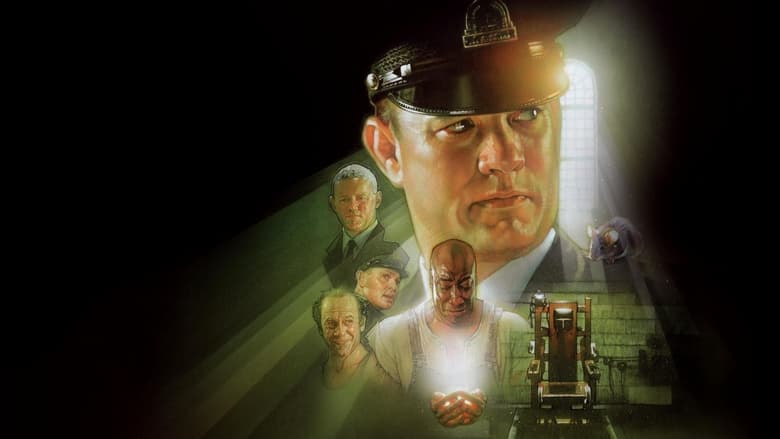
The Green Mile|1999 · Frank Darabont
What is the thematic significance of the green linoleum floor in the prison?
While the green linoleum floor of Cold Mountain Penitentiary is universally understood as a corridor of…