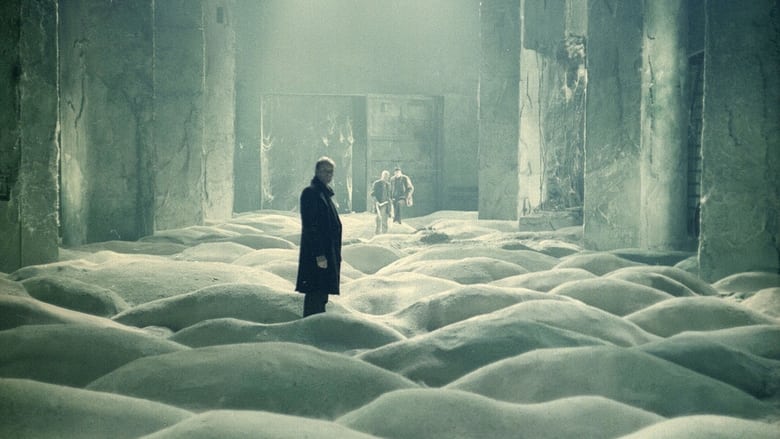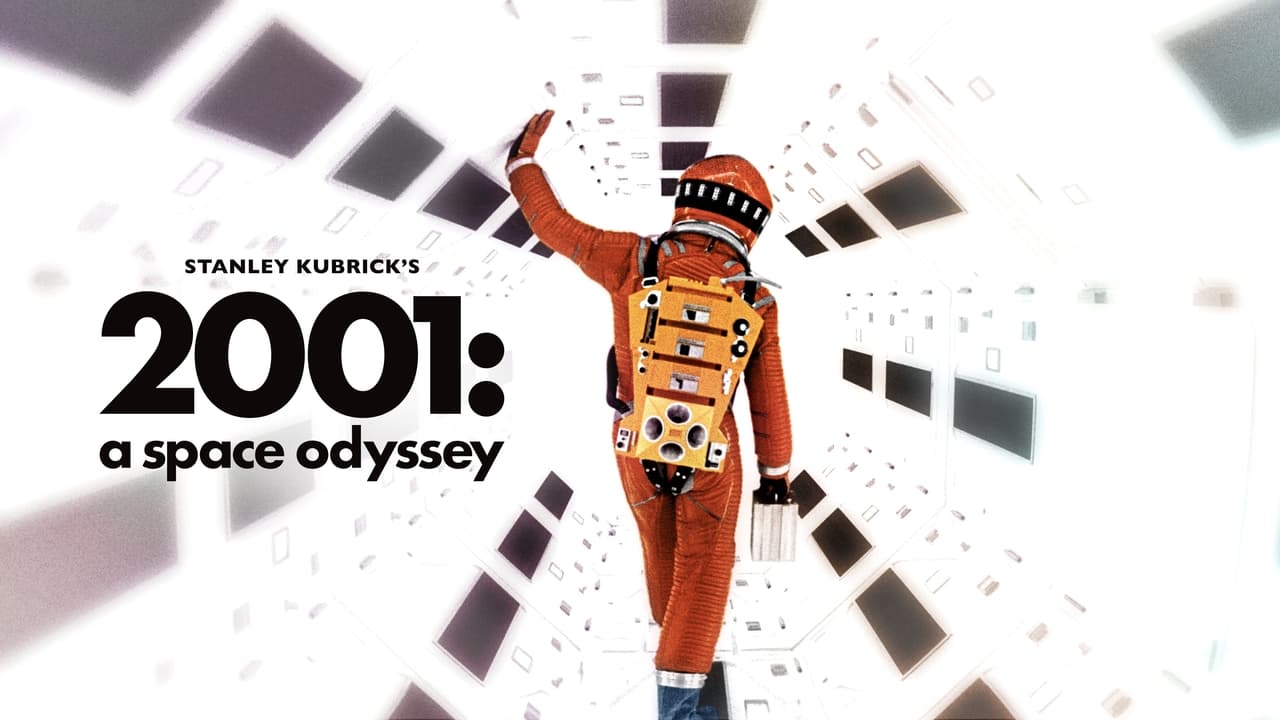
Kubrick's preference for extreme wide shots, slow tracking, and central perspective creates an objective, non-human viewpoint that mirrors the gaze of the unseen alien watchers. In conventional cinema, close-ups are used to cultivate empathy, pulling the audience into the emotional state of the characters. Kubrick deliberately avoids this. By keeping the camera at a distance, he emphasizes the insignificance of human beings within the vast, sterile environments they have constructed. Whether it is the sweeping deserts of prehistoric Africa, the massive circular centrifuge of the Discovery One, or the infinite void of space, the characters are dwarfed by their surroundings. The camera moves with a cold, mechanical precision, often utilizing one-point perspective where all lines converge at a central vanishing point. This creates a sense of absolute predestination, suggesting that the characters are moving along a pre-programmed track monitored by a higher intelligence, transforming the film's visual style into the literal perspective of the Monolith itself.■

The Green Mile|1999 · Frank Darabont
What is the thematic significance of the green linoleum floor in the prison?
While the green linoleum floor of Cold Mountain Penitentiary is universally understood as a corridor of…