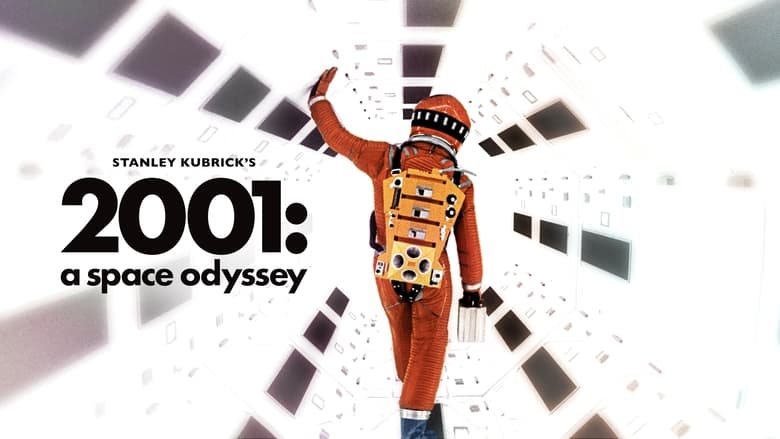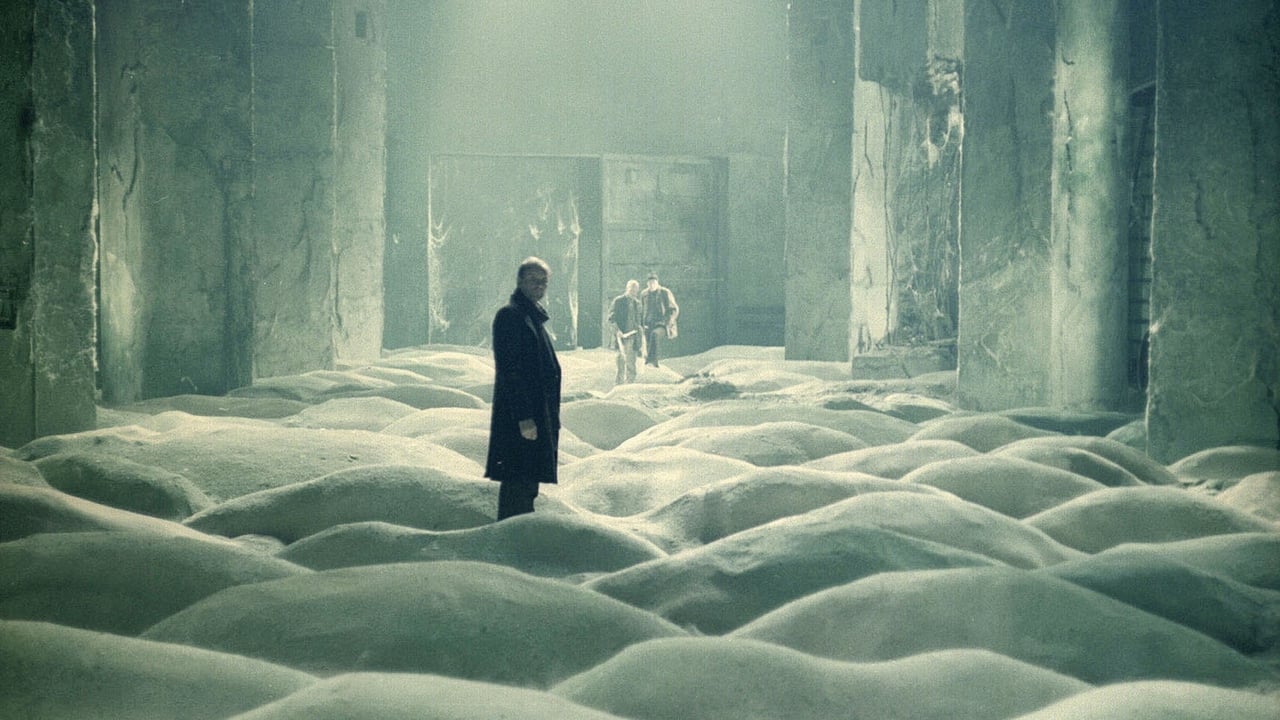
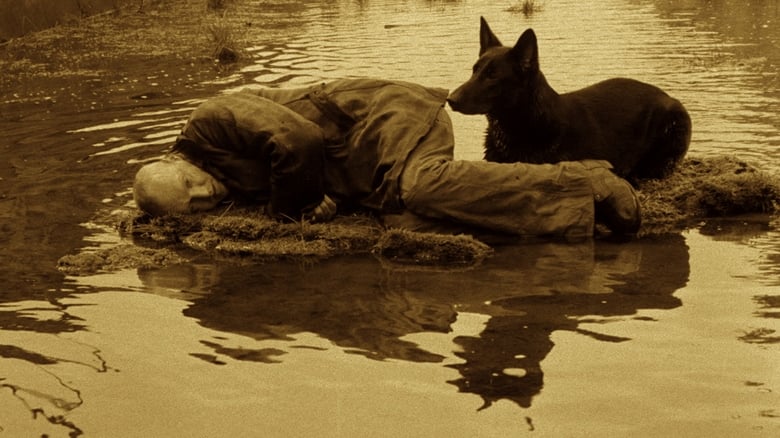
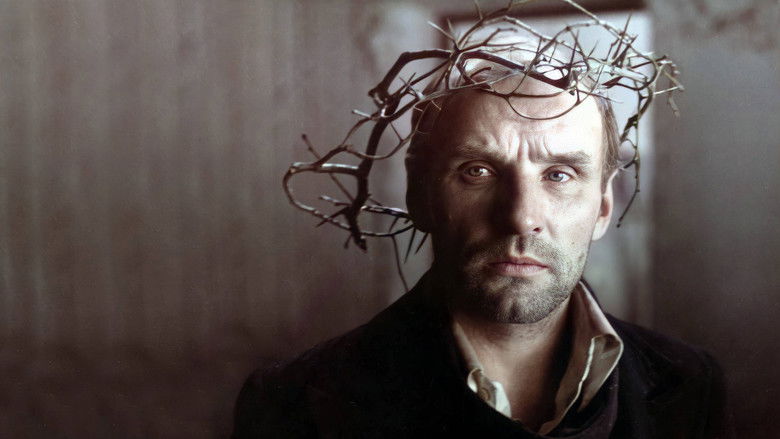
Stalker subverts science fiction by stripping away all technological spectacle, external action, and alien imagery, turning a genre typically focused on outer space into an exploration of inner space. While Western sci-fi of the late 1970s relied heavily on pioneering special effects, futuristic hardware, and clear external threats, Tarkovsky delivers a post-apocalyptic wasteland that consists of overgrown Soviet industrial ruins, wet grass, and abandoned domestic objects. There are no spaceships, laser blasters, or visible extraterrestrials; the alien presence is felt entirely through the psychological tension of the characters and the eerie silence of the landscape. This approach aligns more with the contemplative, philosophical traditions of Eastern European speculative fiction—such as Stanislaw Lem's Solaris, which Tarkovsky also adapted—where the alien 'Other' is not an enemy to be fought, but an incomprehensible mirror that exposes human limitations. By replacing physical adventure with spiritual trial, Stalker transforms science fiction from a cinema of external wonder into a profound medium for existential inquiry.■
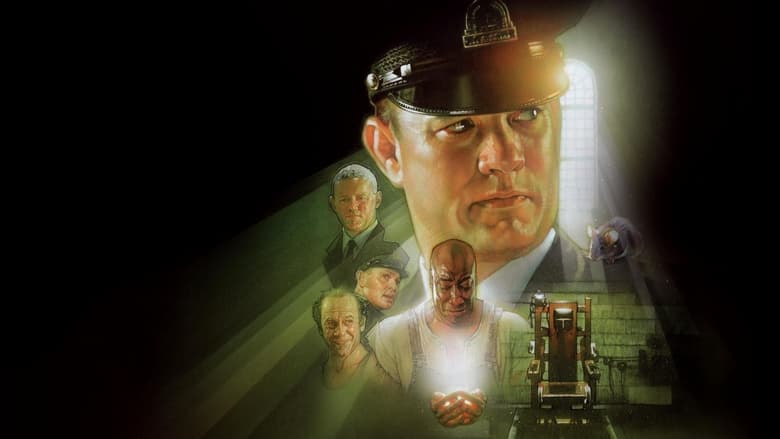
The Green Mile|1999 · Frank Darabont
What is the thematic significance of the green linoleum floor in the prison?
While the green linoleum floor of Cold Mountain Penitentiary is universally understood as a corridor of…