The editing of Whiplash, executed by Tom Cross, mimics the rhythmic structure of jazz music by using rapid, syncopated cuts and visual tempos that align with the drum beats. Rather than relying on standard continuity editing, the film treats shots as musical notes. During rehearsal scenes, the cuts accelerate to match the tempo of the music, jumping between close-ups of Andrew's sweaty face, the glinting brass of the cymbals, the movement of Fletcher's hand, and the ticking of a metronome. This creates a visual polyrhythm, where the audience experiences the physical tension of the performance through the editing itself. When the music stops or a mistake is made, the editing abruptly halts on a jarring, static shot, creating a visual silence that mirrors the sudden drop in musical momentum. By aligning the cinematic grammar so closely with the auditory experience, the film ensures that the viewer's heart rate is governed by the tempo of the edit, making the act of watching the film as physically demanding as playing the drums.■
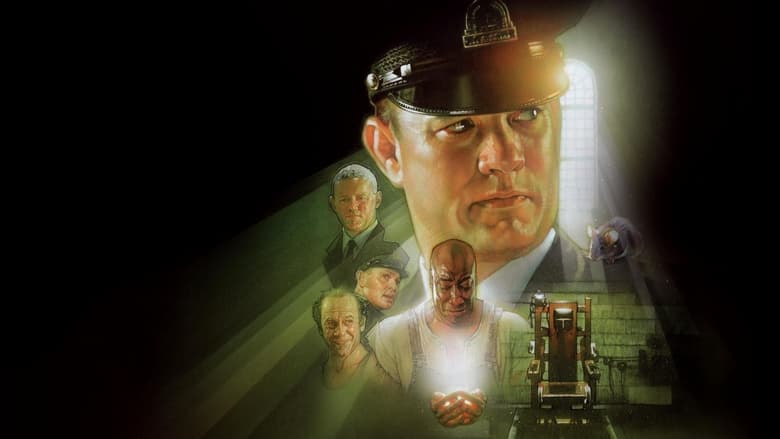
The Green Mile|1999 · Frank Darabont
What is the thematic significance of the green linoleum floor in the prison?
While the green linoleum floor of Cold Mountain Penitentiary is universally understood as a corridor of…