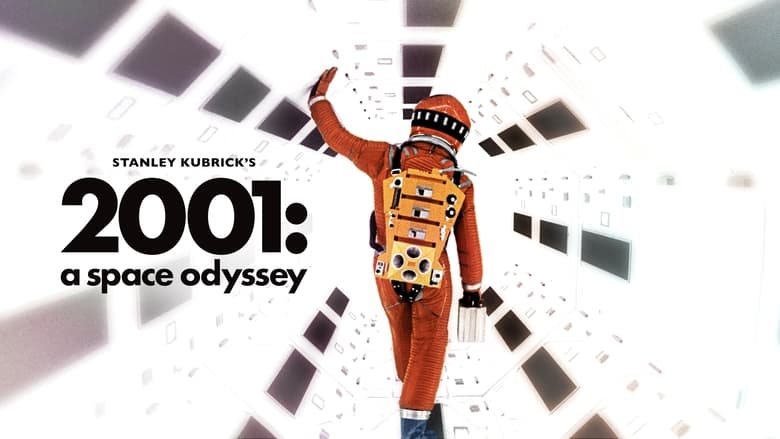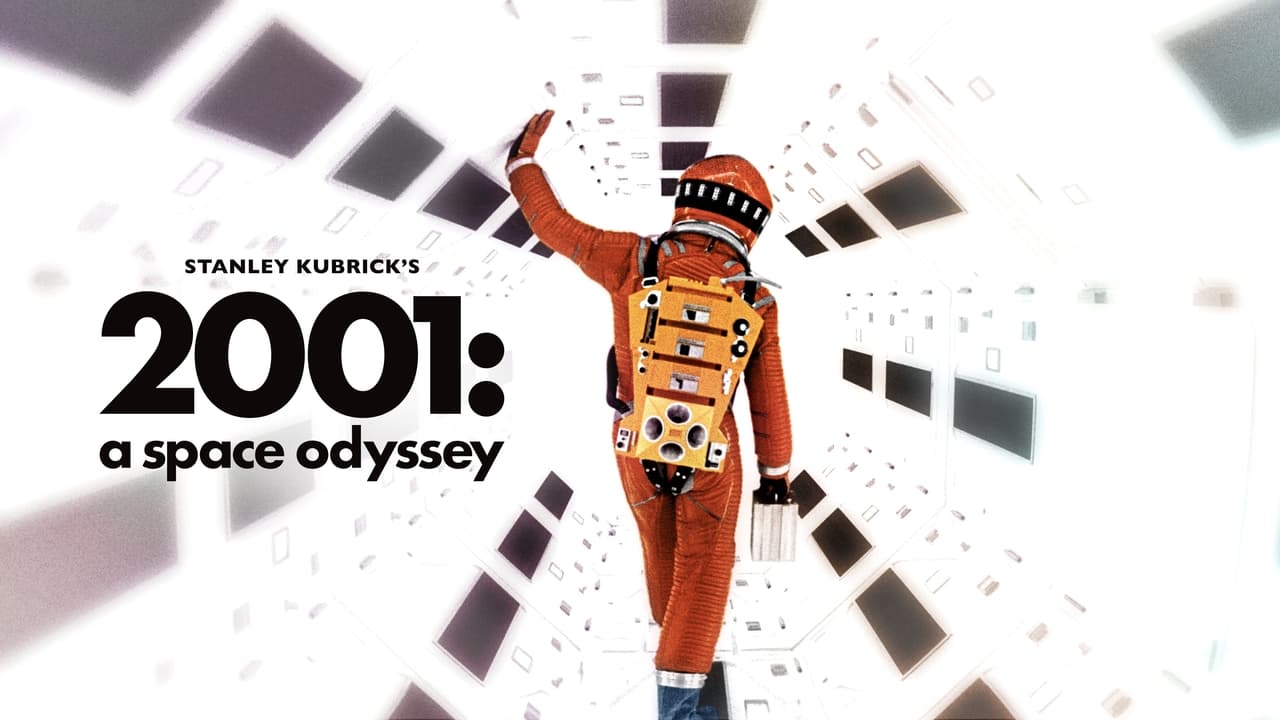
The absolute silence of the space sequences serves to strip away cinematic melodrama, forcing the audience to confront the terrifying, indifferent vastness of the universe. In the 1950s and 60s, science fiction films routinely used roaring rocket engines and eerie theremin music to manufacture excitement. By adhering to the physical law that sound cannot travel in a vacuum, Kubrick isolates the viewer. The only sounds we hear inside the spacesuits are the rhythmic, mechanical gasps of Bowman's breathing, highlighting human fragility in a hostile environment. This silence also creates a sharp contrast with the classical soundtrack. When Kubrick plays Johann Strauss II's The Blue Danube during the docking sequence, the music imposes a sense of human grace and artificial order onto the void. Conversely, György Ligeti's avant-garde choral music, used during encounters with the Monolith, sounds alien and formless. The silence is the canvas upon which these musical choices struggle, representing the quiet indifference of nature versus the noise of human civilization.■


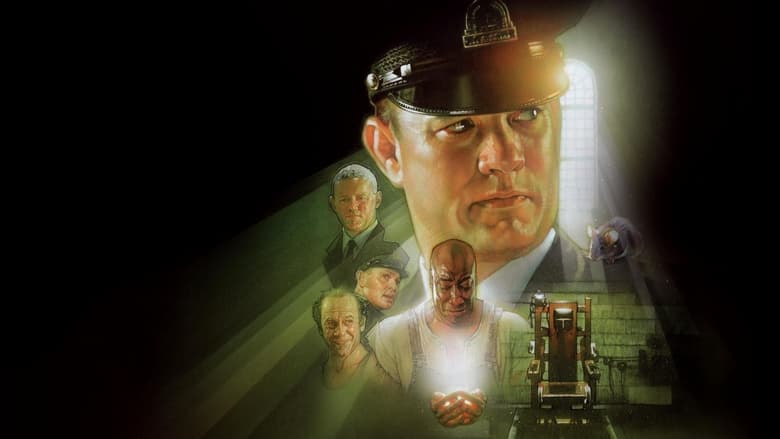
The Green Mile|1999 · Frank Darabont
What is the thematic significance of the green linoleum floor in the prison?
While the green linoleum floor of Cold Mountain Penitentiary is universally understood as a corridor of…