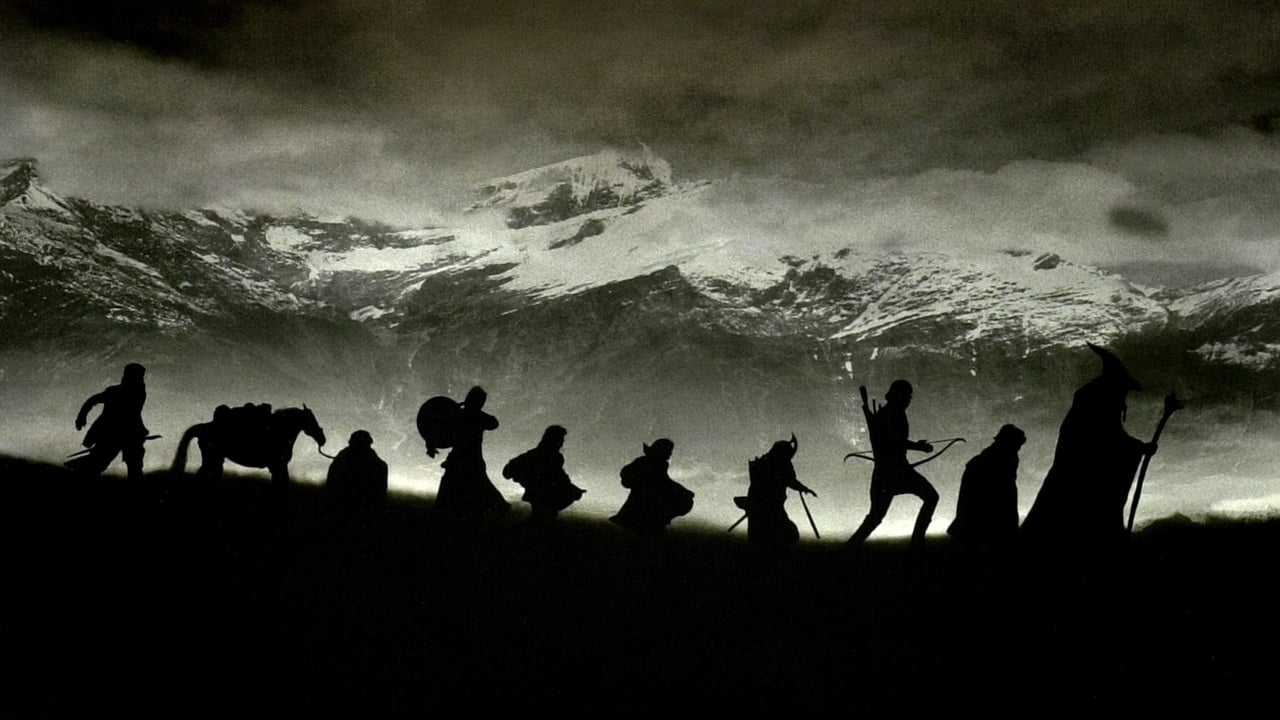
Peter Jackson imports horror techniques into Middle-earth because his cinematic roots lie in low-budget splatter-horror, and he understands that Tolkien's evil is fundamentally parasitic and terrifying. Before tackling this epic, Jackson directed cult horror films like "Dead Alive" and "The Frighteners." In "The Fellowship of the Ring," he utilizes Dutch angles, extreme close-ups, high-contrast lighting, and sudden jump cuts to make the threat of Sauron feel physically invasive. The sequence where the Black Rider sniffs around the tree root where the Hobbits hide is a masterclass in suspense, using low-angle shots and amplified natural sounds—like crawling insects—to evoke intense claustrophobia. By framing the Nazgûl as slasher-movie monsters rather than standard fantasy villains, Jackson ensures the audience feels the genuine, existential dread that the characters experience. This stylistic choice grounds the high-fantasy narrative in a visceral reality, making the stakes of Frodo's quest feel incredibly dangerous and immediate.■
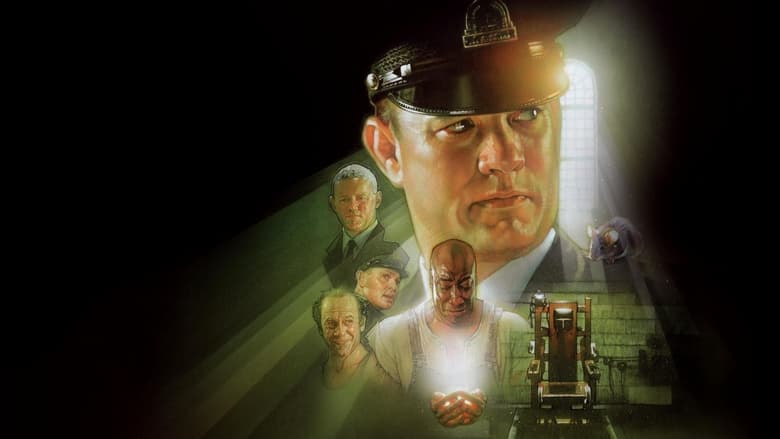
The Green Mile|1999 · Frank Darabont
What is the thematic significance of the green linoleum floor in the prison?
While the green linoleum floor of Cold Mountain Penitentiary is universally understood as a corridor of…