The interrogation scene achieves its visceral intensity through a deliberate shift in camera work, lighting, and sound design that strips away the film's epic scale to focus on raw psychological combat. Director Christopher Nolan and cinematographer Wally Pfister shot this sequence using handheld IMAX cameras in a small, starkly lit set. Initially, the scene is lit with harsh, overhead fluorescent light, casting deep shadows under the characters' eyes and emphasizing the grime of the Joker's makeup. The camera angles begin as stable, objective medium shots. However, when Batman reveals himself in the shadows and slams the Joker's head onto the table, the editing pace quickens, and the camera moves into tight, subjective close-ups. The framing becomes slightly Dutch-angled and unstable, mirroring Batman's rising frustration as he realizes his physical violence has no power over the Joker's nihilism. Sound designer Richard King drops the ambient noise of the police station, leaving only the dry, intimate sounds of flesh hitting flesh, the scraping of chairs, and Hans Zimmer's rising, single-note string tension. By keeping the camera extremely close to the actors' faces, the film forces the viewer into the suffocating space between Batman's desperate rage and the Joker's ecstatic laughter, making the philosophical clash feel physically violent.■
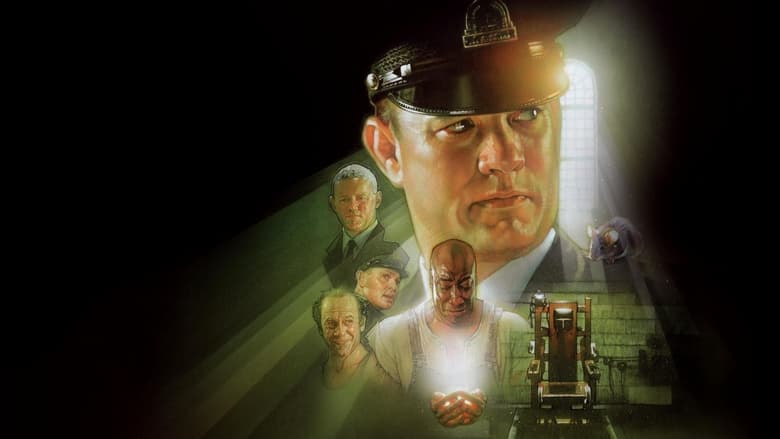
The Green Mile|1999 · Frank Darabont
What is the thematic significance of the green linoleum floor in the prison?
While the green linoleum floor of Cold Mountain Penitentiary is universally understood as a corridor of…