The Dark Knight functions as a cinematic treatise on the state of exception, a political theory wherein a sovereign power suspends the rule of law to save it from an existential threat. The film frames Batman's vigilante campaign as an initial escalation that inevitably breeds a counter-escalation in the form of the Joker. To combat this asymmetrical threat, Batman is forced to adopt increasingly authoritarian measures that mirror the post-9/11 war on terror. This ethical crisis culminates in Batman's development of a mass surveillance sonar system that taps into every cell phone in Gotham. Lucius Fox explicitly calls this system too much power and threatens to resign, identifying it as a direct violation of civil liberties. The film does not simple-mindedly endorse Batman's actions; rather, it highlights the tragic compromises of security. Batman must temporarily become a monster to defeat one, but he acknowledges the danger by building a self-destruct mechanism into the surveillance apparatus, ensuring its use is temporary. By framing Gotham's struggle as an existential battle against an enemy who just wants to watch the world burn, the film dramatizes the real-world anxiety of democratic institutions compromising their core values to survive threats that do not play by the rules.■
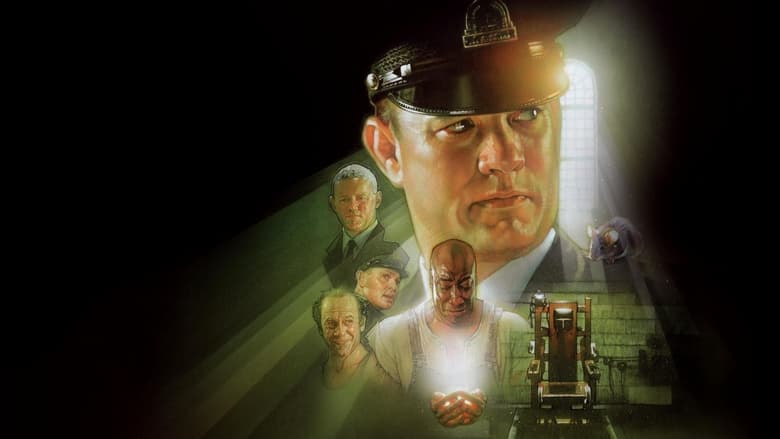
The Green Mile|1999 · Frank Darabont
What is the thematic significance of the green linoleum floor in the prison?
While the green linoleum floor of Cold Mountain Penitentiary is universally understood as a corridor of…