While it is easy to read the film as a conservative fable, this interpretation collapses when you look at how the movie actually treats authority and institutions. Forrest does not succeed because he obeys conservative structures; he succeeds because he is entirely detached from them, operating with a pure, pre-political empathy. The authority figures who demand obedience are consistently satirized or shown to be deeply flawed, from the aggressive military recruiters to the series of US Presidents who are depicted as absurd, tragic, or cartoonish. Forrest's wealth comes from a series of historical accidents and a promise made to his dead Black friend, Bubba, which directly flouts the racial hierarchies of the American South. Conversely, Jenny is not punished by the narrative for her political activism; she is a victim of systemic trauma rooted in the domestic abuse of her childhood, a failure of the traditional nuclear family. Her tragic arc reflects the vulnerability of damaged individuals swept up in the chaotic, often predatory underbelly of the counterculture movement. The film is not a moral lecture on obedience, but a deeply melancholy look at how historical winds buffet the vulnerable. Forrest survives the storm because his intellectual simplicity shields him from ideological disillusionment, while Jenny is bruised because she feels the full weight of her era's broken promises.■


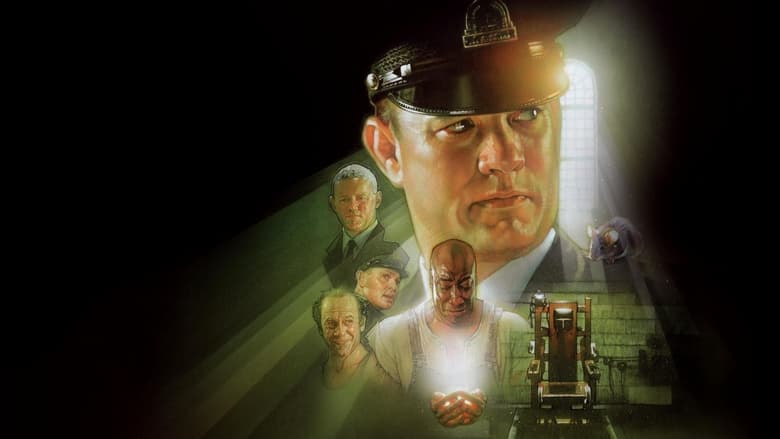
The Green Mile|1999 · Frank Darabont
What is the thematic significance of the green linoleum floor in the prison?
While the green linoleum floor of Cold Mountain Penitentiary is universally understood as a corridor of…