Christopher Nolan uses parallel editing, or cross-cutting, not merely to generate suspense, but to bind disparate storylines into a unified thematic argument. This technique, a hallmark of Nolan's filmography from Memento to Inception, reaches a peak in The Dark Knight during the climax of the second act. As Batman races to save Rachel, Gordon rushes to save Dent, and the Joker manipulates the police from his cell, Nolan cuts rapidly between these locations. This creates a relentless, compounding sense of urgency where time itself feels like an active antagonist. The editing style forces the audience to experience the events simultaneously, mirroring the overwhelming pressure placed on the characters. Crucially, this cross-cutting serves an auteurist function: it visualizes the interconnectedness of Gotham's institutions. By juxtaposing the actions of the mob, the police, the politicians, and the vigilantes in rapid succession, Nolan constructs Gotham as a complex, living ecosystem where a tremor in one sector causes a collapse in another. The editing collapses physical distance, suggesting that in the face of systemic chaos, isolation is impossible and every individual choice carries immediate, cascading consequences for the entire collective.■
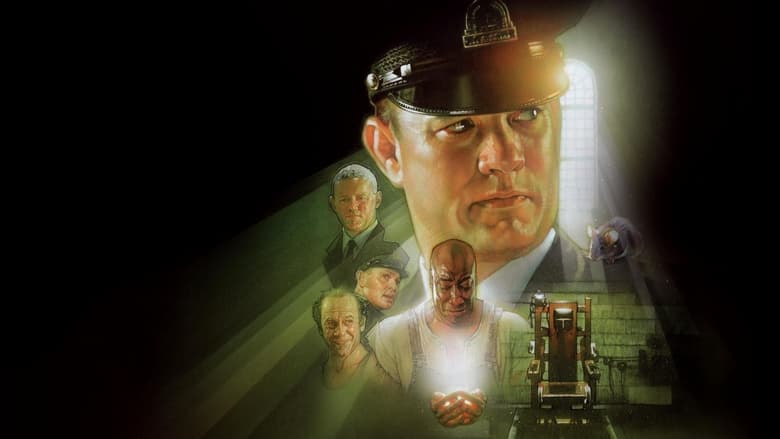
The Green Mile|1999 · Frank Darabont
What is the thematic significance of the green linoleum floor in the prison?
While the green linoleum floor of Cold Mountain Penitentiary is universally understood as a corridor of…