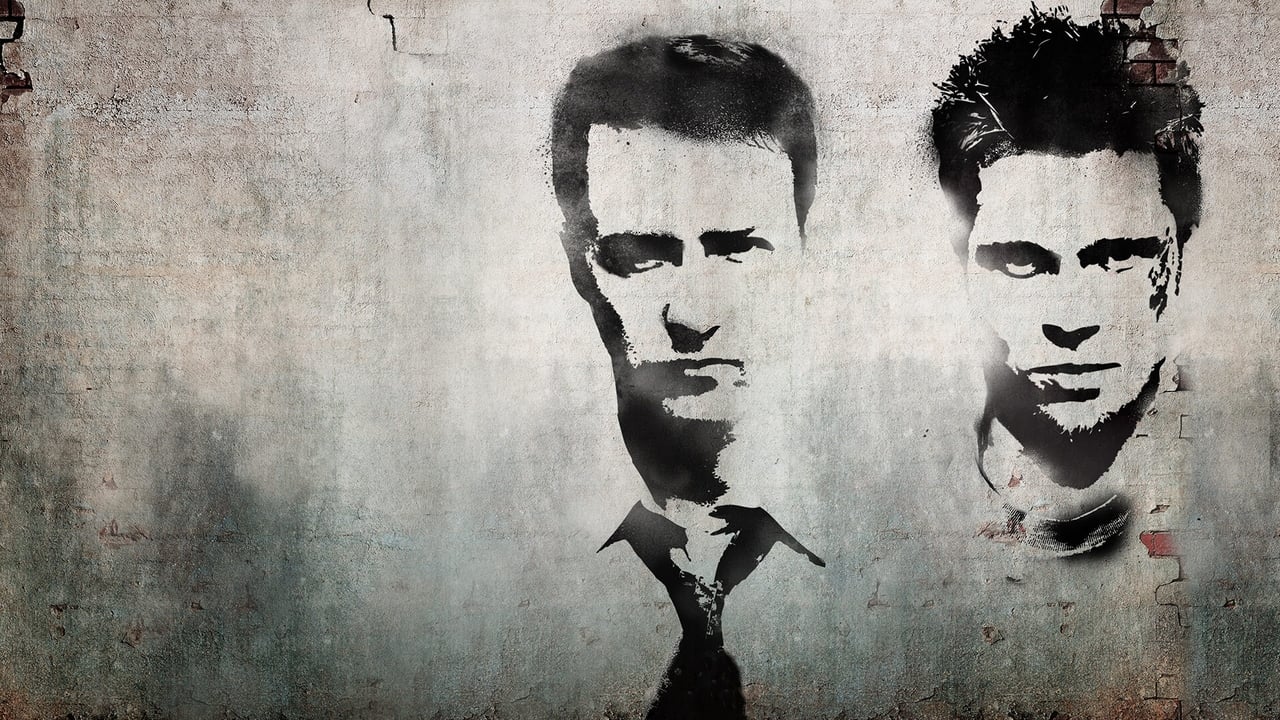
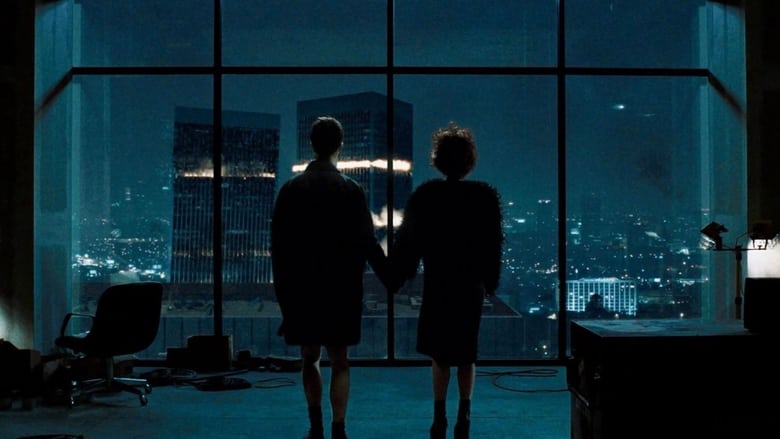
The Narrator survives because the gunshot is not a physical suicide but a symbolic act of self-determination that destroys the cognitive projection of Tyler Durden. When the Narrator pulls the trigger, he finally accepts total responsibility for his actions, which eliminates the psychological need for his alter ego. Director David Fincher signals this shift visually: the bullet exits through the Narrator's cheek, a painful but non-lethal wound, but in his mind's eye, it passes directly through the back of Tyler's skull. Tyler exists solely because the Narrator felt powerless; by taking the ultimate, terrifying leap of pulling the trigger himself, the Narrator reclaims his agency. The gunshot is a placebo of mortality that cures his dissociative identity disorder by forcing him to confront real, physical consequence. This is why Marla arrives to find him bleeding but fully present. As the buildings collapse to the tune of Pixies' "Where Is My Mind?", the Narrator is no longer hiding behind a curated consumer identity or a hyper-masculine savior. He is ruined, scarred, and finally singular.■
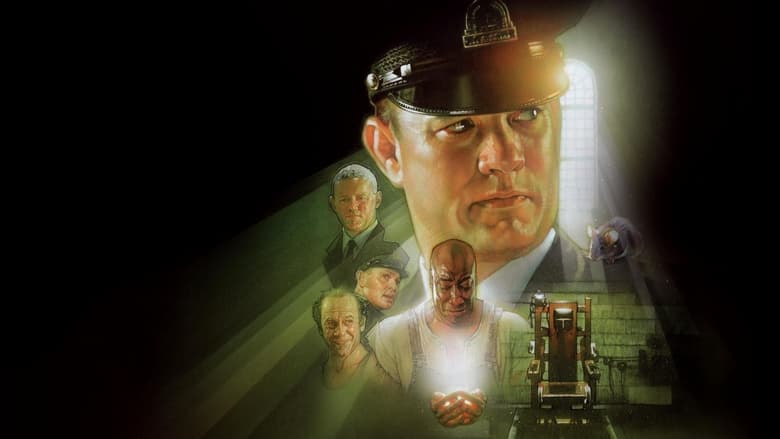
The Green Mile|1999 · Frank Darabont
What is the thematic significance of the green linoleum floor in the prison?
While the green linoleum floor of Cold Mountain Penitentiary is universally understood as a corridor of…