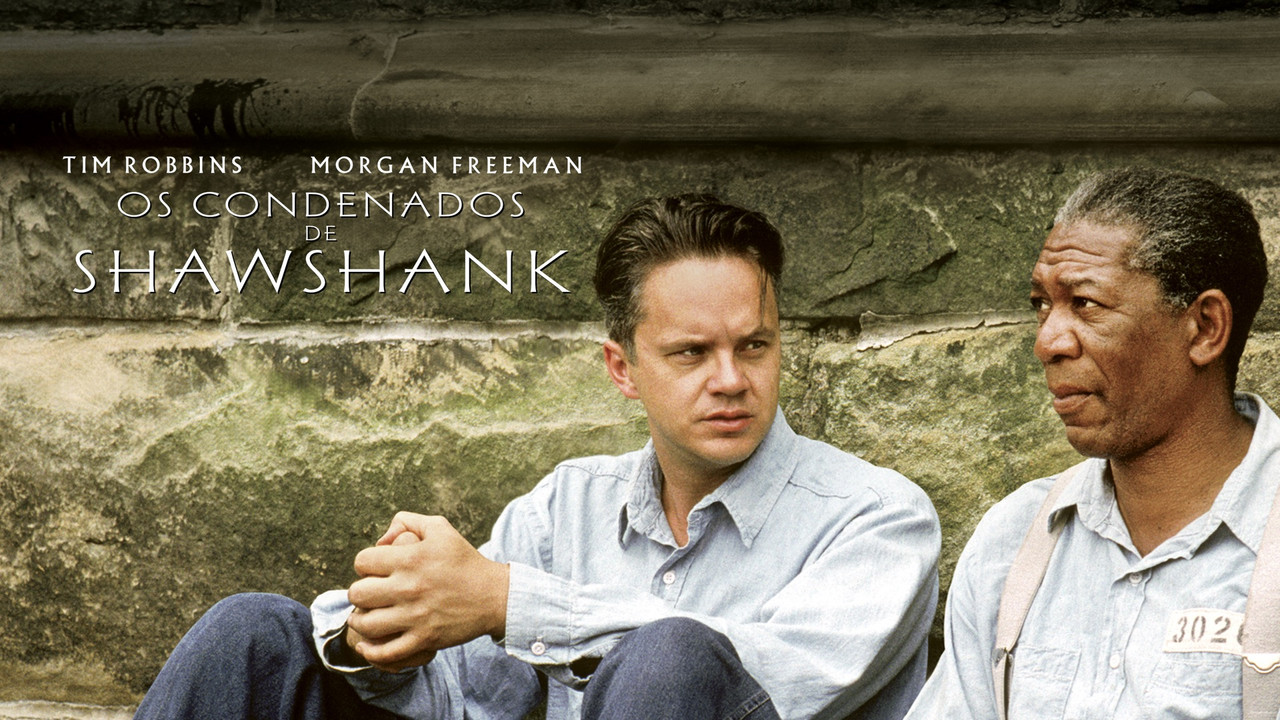
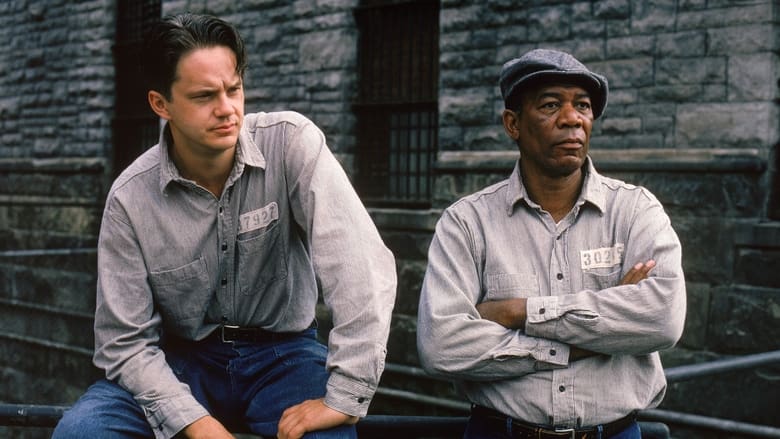
The ending at Zihuatanejo is not a cheap, sentimental fantasy, but a necessary narrative and thematic resolution that validates the entire philosophical conflict of the film. Throughout the movie, Andy and Red represent two opposing worldviews: Andy's radical hope versus Red's pragmatic resignation. If the film had ended with Red simply riding the bus toward an uncertain future, the narrative would have implicitly validated the prison's power, leaving Red suspended in the same anxiety that claimed Brooks. By showing the actual, sun-drenched reunion on the beach, the film provides a concrete victory over the institutional gray of Shawshank. The hyper-saturated blue of the Pacific Ocean is a deliberate aesthetic departure from the desaturated, muddy tones of the prison, serving as a visual proof that Andy's dream was not a delusion. Furthermore, this scene was not even in Stephen King's original novella, which ends on the bus with Red hoping to see his friend. Screenwriter-director Frank Darabont added the beach reunion because a story about the endurance of hope requires a physical destination to prove that hope is a real, active force capable of reshaping a life.■

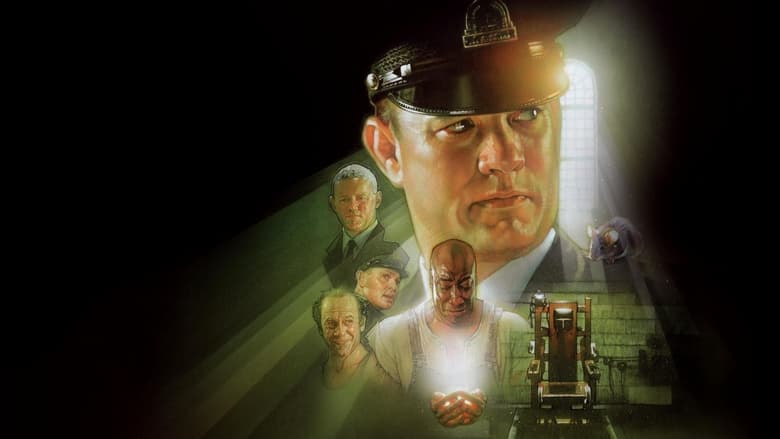
The Green Mile|1999 · Frank Darabont
What is the thematic significance of the green linoleum floor in the prison?
While the green linoleum floor of Cold Mountain Penitentiary is universally understood as a corridor of…