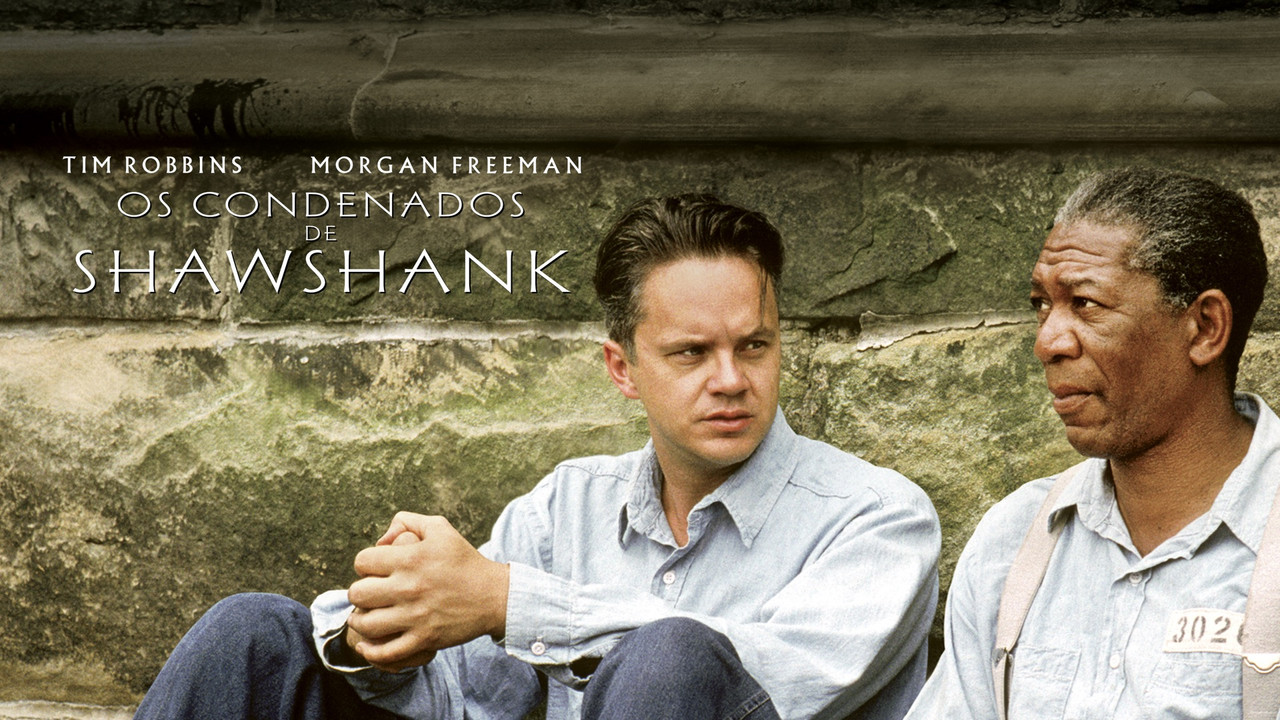
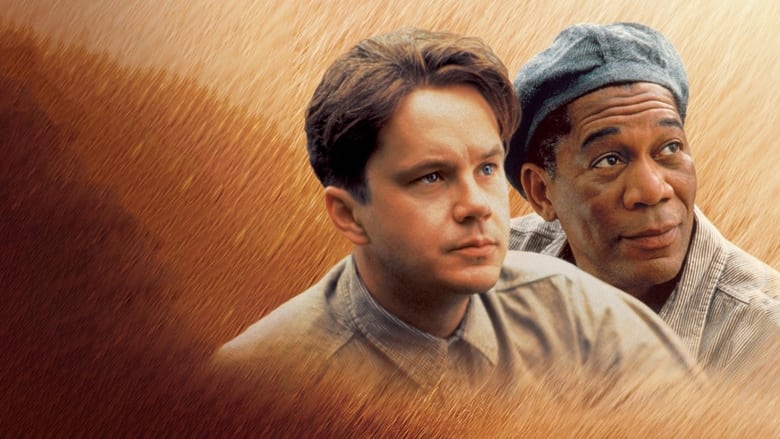
The film defines institutionalization through Brooks Hatlen as the psychological process by which a captive internalizes their confinement until freedom itself becomes an uninhabitable exile. As Red famously explains to the other inmates, prison life is structured around routines that slowly strip away individual agency. At Shawshank, Brooks is a man of status—he is the librarian, a respected elder, and a fixture of the community. When he is suddenly paroled after fifty years, he is thrust into a fast-paced, modern world where he has no identity, no purpose, and no social support. His tragic suicide is not merely a result of loneliness, but of a profound spatial and psychological disorientation; the outside world offers too much freedom and too little structure, making him long for the safety of his cell. Brooks's fate serves as a warning for Red, illustrating that the prison's ultimate triumph is not physical lockup, but the destruction of the prisoner's ability to survive in a free society. It establishes the high stakes of the film's climax, showing that Red must actively fight to keep his mind free if he is to avoid sharing Brooks's tragic fate.■
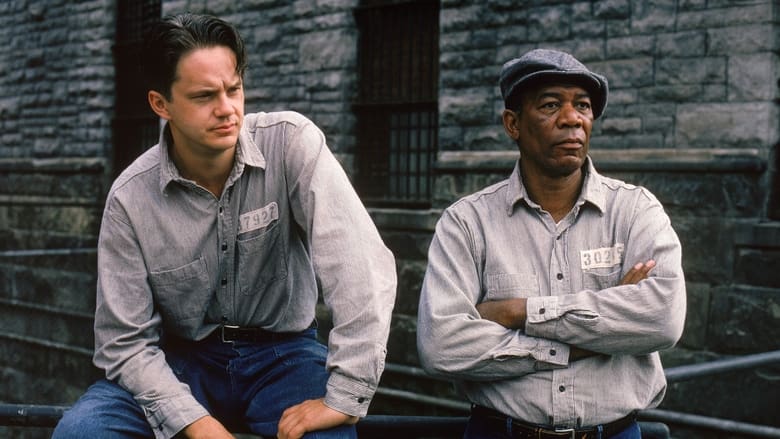
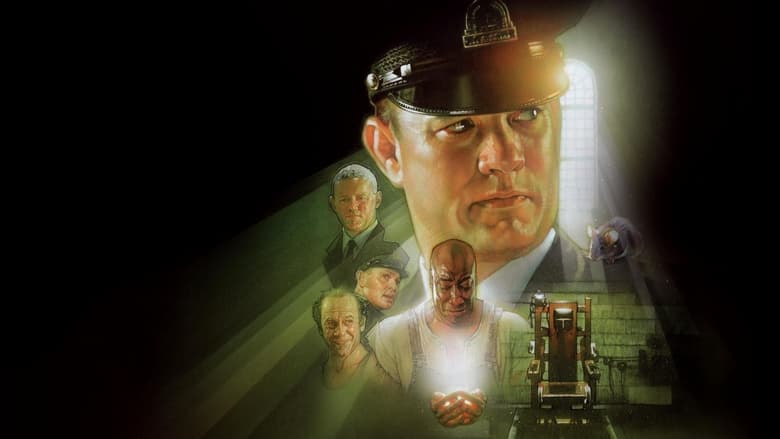
The Green Mile|1999 · Frank Darabont
What is the thematic significance of the green linoleum floor in the prison?
While the green linoleum floor of Cold Mountain Penitentiary is universally understood as a corridor of…