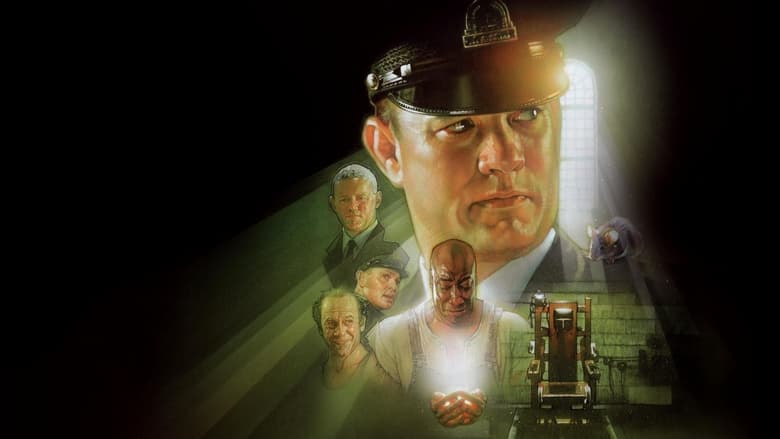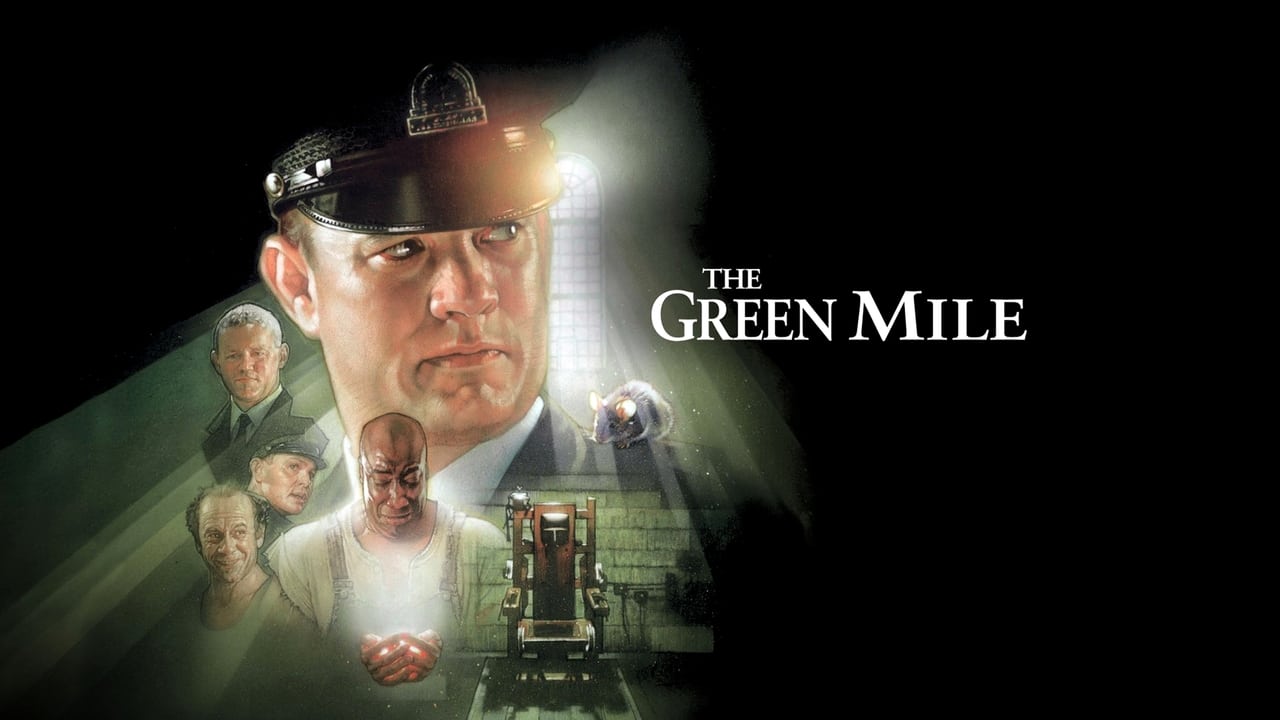
John Coffey chooses execution because he is utterly consumed by the empathic agony of absorbing the world's cruelty. When Paul offers to let him walk away, John refuses, telling him he is tired of all the pain he feels and hears in the world. The film presents John not as a passive victim, but as a vessel suffering from sensory and spiritual overload. His supernatural empathy means he physically and emotionally experiences every act of human hatred, which he describes as feeling like pieces of glass in his head. This pain is compounded by the specific horror of the Detterick twins' murder; when he held them, he felt both their terror and their father's grief simultaneously. Furthermore, John understands the reality of his existence in the Jim Crow South of 1935. As a giant Black man accused of raping and murdering two white girls, there is no safe haven or normal life waiting for him outside the prison walls. Running would only make him a hunted animal, forcing the guards who loved him to ruin their own lives. By choosing the chair, John is not committing suicide; he is actively choosing release from a world that has no place for his miraculous but agonizing sensitivity.■
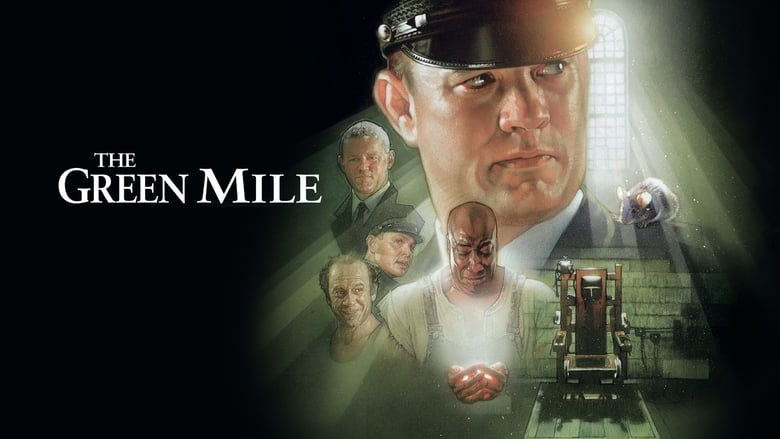
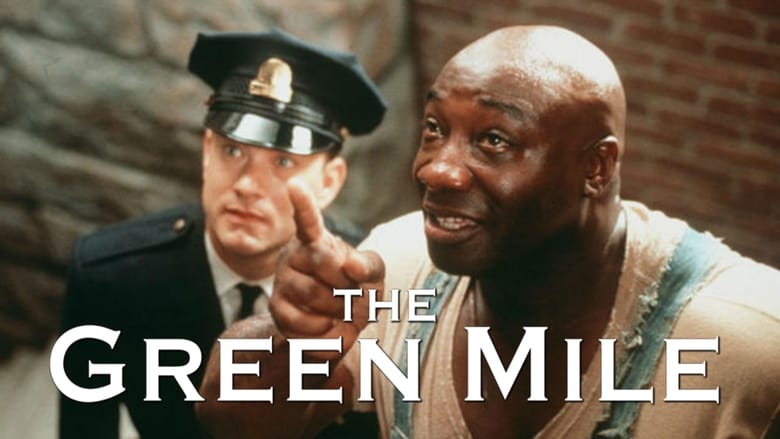
The Green Mile|1999 · Frank Darabont
What is the thematic significance of the green linoleum floor in the prison?
While the green linoleum floor of Cold Mountain Penitentiary is universally understood as a corridor of…