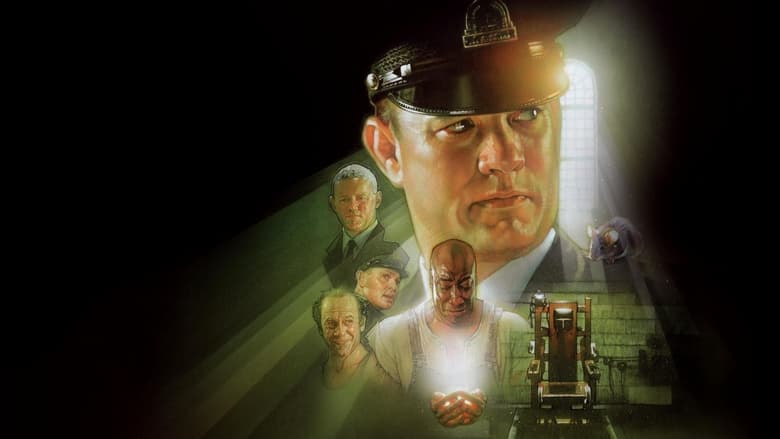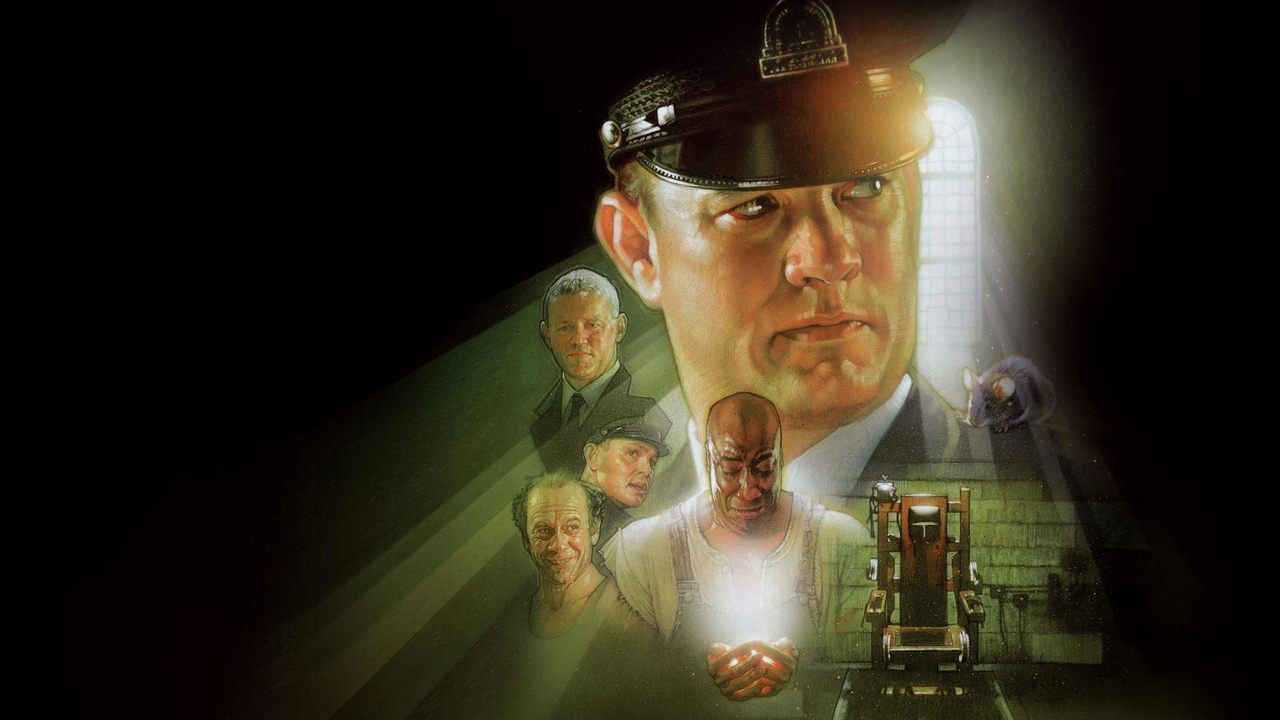
The inclusion of Mark Sandrich's 1935 musical Top Hat is a stroke of bittersweet irony, offering John Coffey a fleeting glimpse of a heaven he was denied on earth. When John watches Fred Astaire glide across the screen singing Cheek to Cheek, he describes them as angels. For a man who has spent his life weighed down by the dirt, sweat, and blood of human suffering, the weightless elegance of Astaire and Ginger Rogers is a revelation. It is the antithesis of the heavy, metallic reality of the electric chair waiting in the next room. Cinematically, the scene serves as a stark contrast between two different kinds of 1930s spectacles: the escapist glamour of Hollywood cinema and the morbid theater of state executions. By bathing John's face in the flickering light of the projector, Darabont highlights the tragedy of a man who was born into a world of pain but belonged to a world of grace. Top Hat represents the pure, unburdened joy that John's spirit craves, making his return to the cold reality of the Mile all the more devastating.■
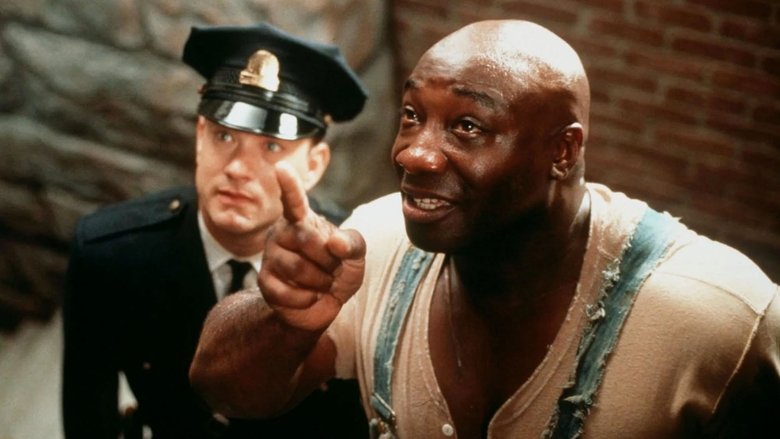
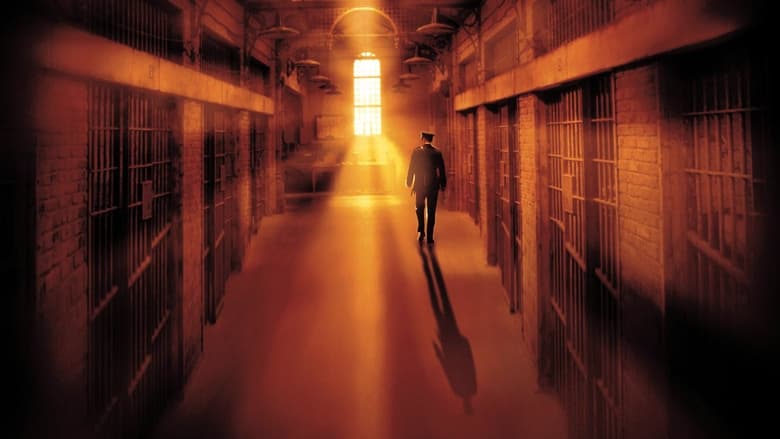
The Green Mile|1999 · Frank Darabont
What is the thematic significance of the green linoleum floor in the prison?
While the green linoleum floor of Cold Mountain Penitentiary is universally understood as a corridor of…