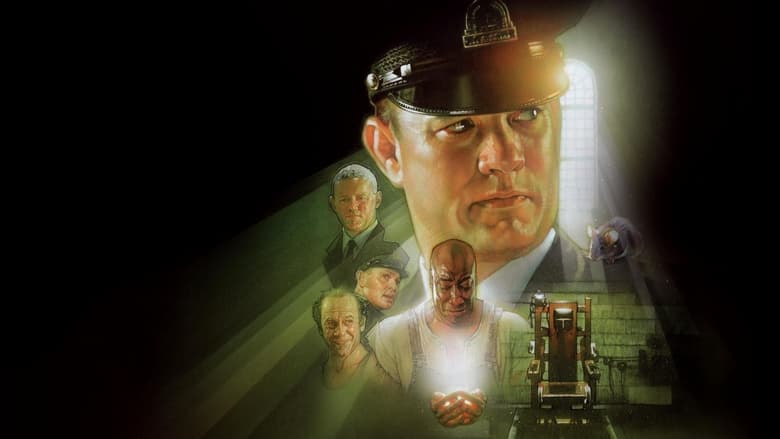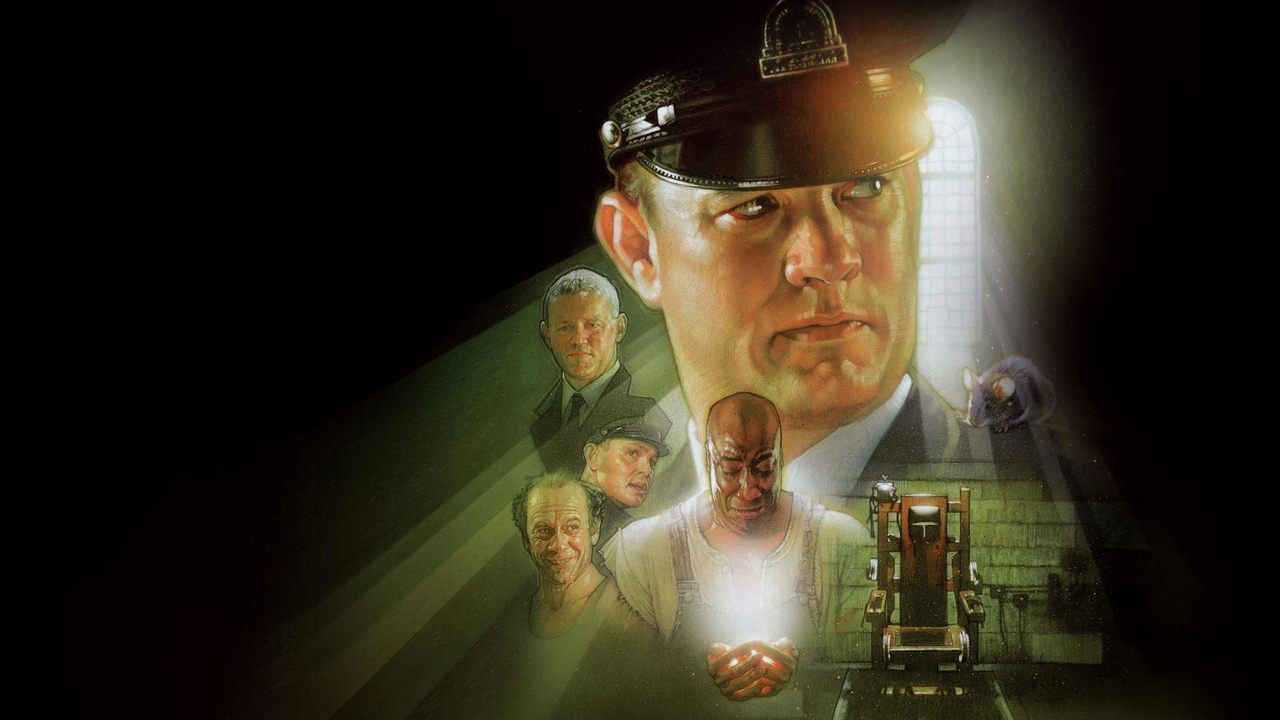
Mr. Jingles' longevity is a direct physical consequence of John Coffey's supernatural healing, serving as a living metric for Paul's own prolonged lifespan. When Percy Wetmore steps on the mouse, crushing it, John breathes the sickness out of the creature and restores its life. This act of resurrection, however, leaves a permanent residue of John's divine energy within the mouse's body. The film represents this visually and structurally: in the framing narrative at Georgia Pines, Paul shows his friend Elaine the ancient mouse, who is still healthy but visibly slow and gray. This demonstrates that John's power does not just heal; it imparts a portion of his own immense life force, effectively slowing down the biological clock of whoever or whatever he touches. The presence of Mr. Jingles at the end of the film is crucial because it provides empirical proof to Elaine—and the audience—of Paul's story. Without the mouse, Paul's claim of being over 100 years old could be dismissed as a senile delusion. The mouse acts as a physical anchor for the film's magical realism, proving that the miracle on the Green Mile was real, while also foreshadowing the lonely road Paul himself must walk.■
The Green Mile|1999 · Frank Darabont
What is the thematic significance of the green linoleum floor in the prison?
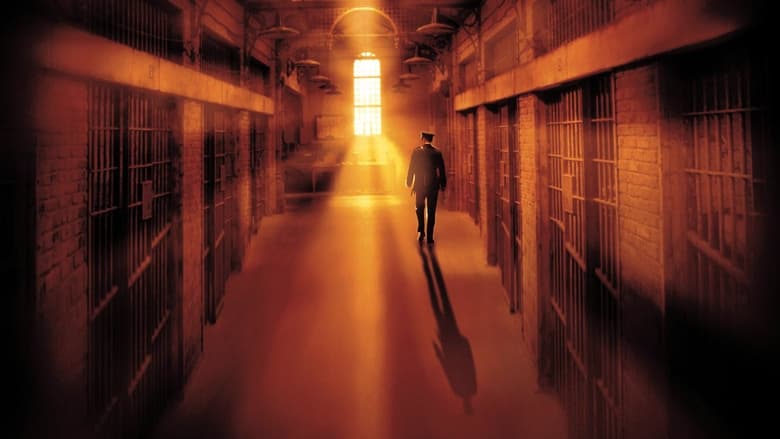
While the green linoleum floor of Cold Mountain Penitentiary is universally understood as a corridor of…