The Dark Knight fundamentally altered the superhero genre by abandoning the gothic, self-contained fantasy of earlier comic book films in favor of the gritty, widescreen realism of the American crime epic. Christopher Nolan consciously modeled the film's structure, tone, and visual style on Michael Mann's 1995 masterpiece Heat. By shooting on location in Chicago and utilizing natural lighting, practical stunts, and IMAX cameras, Nolan stripped away the green-screen artificiality that had defined the genre. The film treats Gotham not as a stylized comic book playground, but as a recognizable modern metropolis dealing with systemic corruption, terrorism, and bureaucratic decay. The narrative focuses extensively on the procedural details of racketeering, money laundering, and municipal politics, placing Batman as just one player in a larger institutional drama alongside the police department and the district attorney's office. This historical shift proved that comic book intellectual property could be used as a vehicle for serious, adult-oriented prestige cinema. It paved the way for a decade of gritty reboots across Hollywood, demonstrating that the stakes of a superhero story could feel genuinely terrifying if they were anchored in the physical and political realities of our own world.■
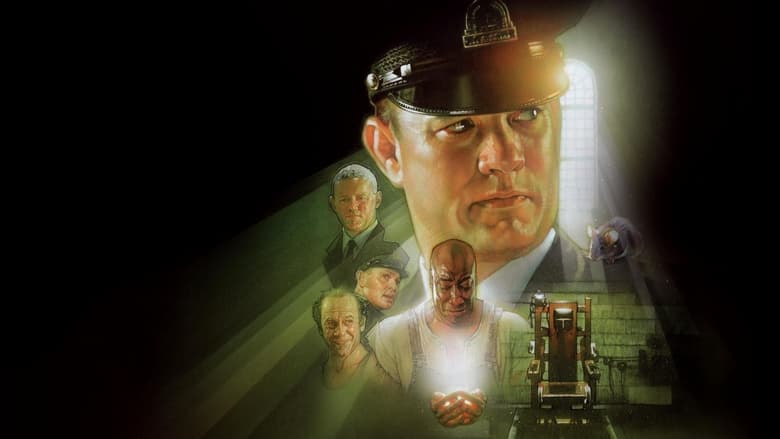
The Green Mile|1999 · Frank Darabont
What is the thematic significance of the green linoleum floor in the prison?
While the green linoleum floor of Cold Mountain Penitentiary is universally understood as a corridor of…