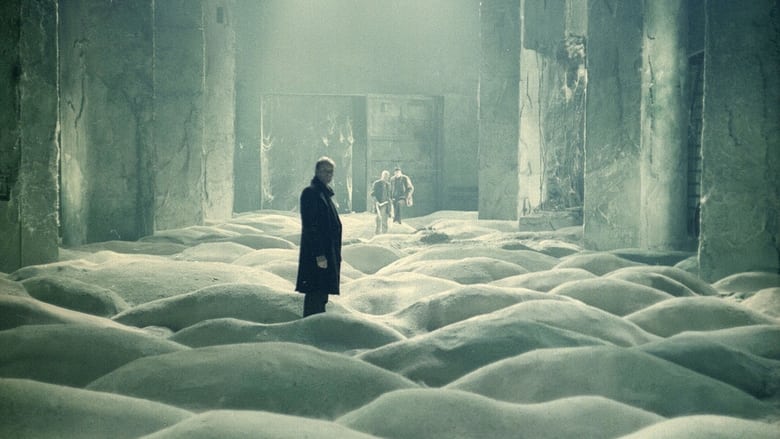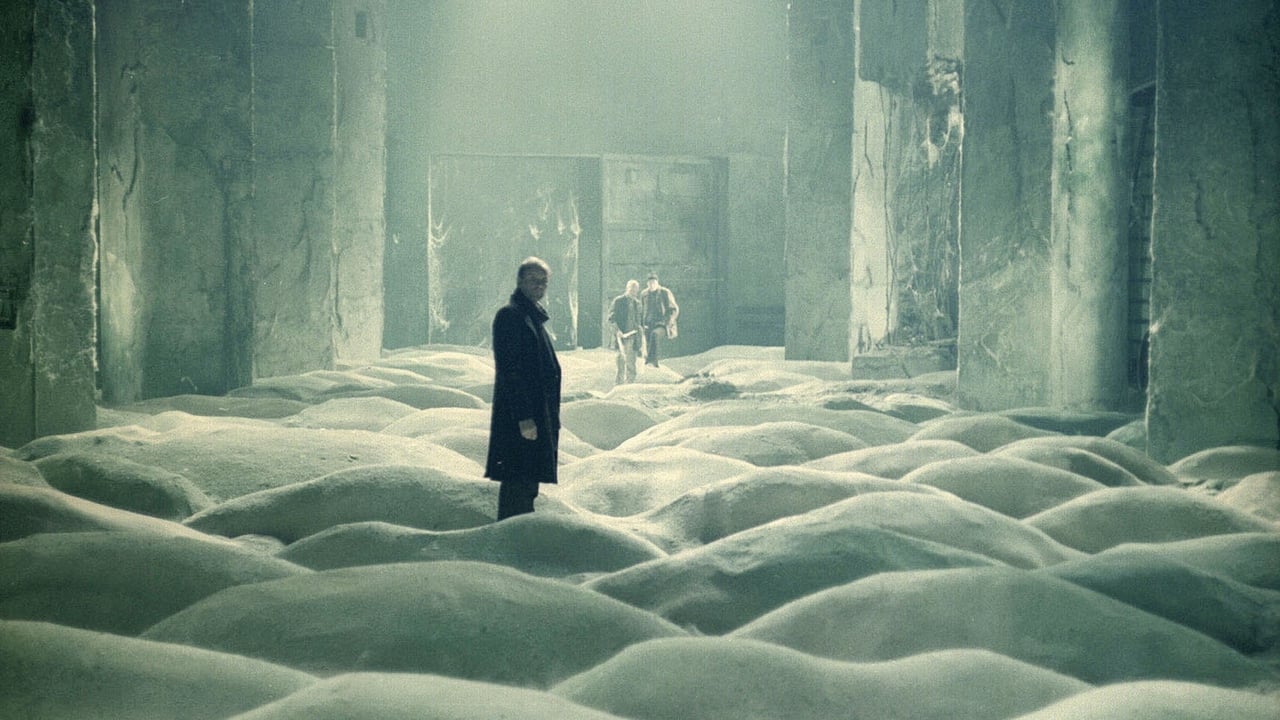
The final scene of Monkey moving the glasses telekinetically shifts the locus of the miraculous from the distant, forbidden Zone directly into the domestic space of the Stalker's home. Throughout the film, the Zone is treated as a remote temple of hope for desperate men who have lost their faith. Yet, when they return, the Stalker is broken, believing that humanity has lost its capacity for belief. Monkey's quiet display of telekinesis, set to the mechanical rumble of a passing train and the strains of Beethoven's Ode to Joy, shatters his despair. She is a mutant, physically crippled by her father's exposure to the Zone, but she possesses a quiet, transcendent power that requires no rituals, no threshold, and no demands. This telekinesis is not a sci-fi superpower; it is a manifestation of the pure, uncorrupted spiritual energy of youth. By placing this miracle in a mundane kitchen, Tarkovsky suggests that the sacred is not a destination we must travel to under the threat of death, but an immanent reality already present in the vulnerable and the innocent, waiting to be recognized.■

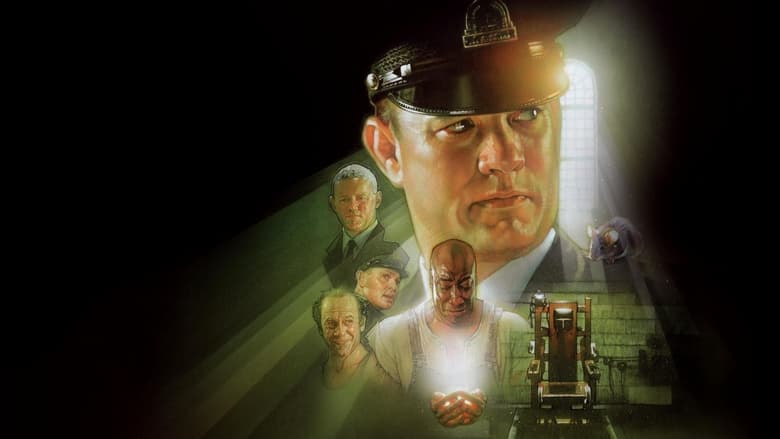
The Green Mile|1999 · Frank Darabont
What is the thematic significance of the green linoleum floor in the prison?
While the green linoleum floor of Cold Mountain Penitentiary is universally understood as a corridor of…