Pumpkin and Honey Bunny serve as the narrative brackets of Pulp Fiction, transforming what could have been a chaotic anthology of crime stories into a cohesive, morally resolved loop. When we first meet them in the opening scene, they are high-energy, romanticized outlaws talking a big game about robbing a diner, embodying the reckless, hyper-stylized violence that audiences expect from a crime film. However, when the movie returns to this scene at the very end, we see the robbery from the perspective of Jules and Vincent, who are sitting in a nearby booth. This shift in perspective completely de-escalates the romanticized myth of the outlaws. Instead of a triumphant heist, Pumpkin and Honey Bunny find themselves staring down the barrel of Jules's gun, completely outmatched by a professional killer who has just undergone a spiritual awakening. By framing the entire film around this diner standoff, Tarantino showcases the moral evolution of his universe. Jules's decision to spare their lives and give Pumpkin his money is the ultimate payoff of his redemption arc. The opening scene promises a movie about cheap, thrilling criminal violence; the closing scene delivers a profound lesson in mercy, proving that the film's true journey is not about the thrill of the heist, but the grace of letting it go.■
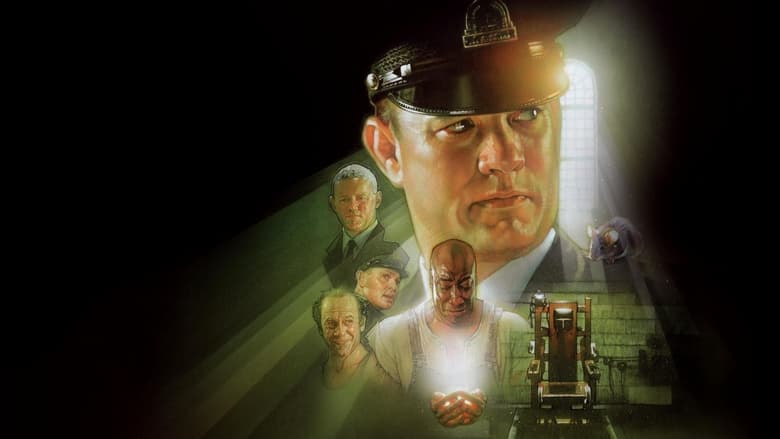
The Green Mile|1999 · Frank Darabont
What is the thematic significance of the green linoleum floor in the prison?
While the green linoleum floor of Cold Mountain Penitentiary is universally understood as a corridor of…