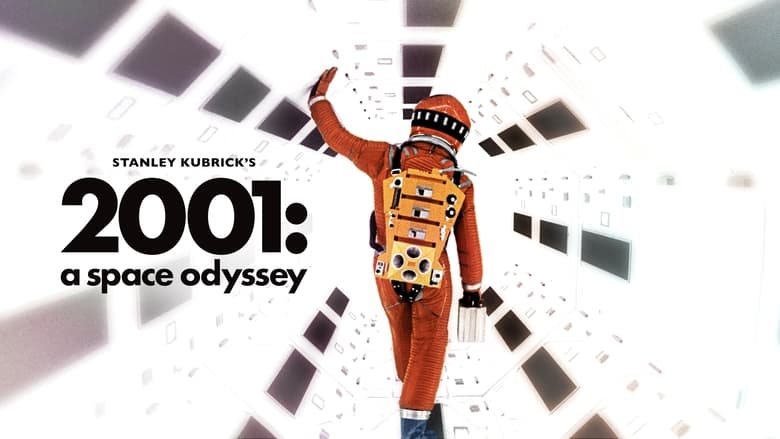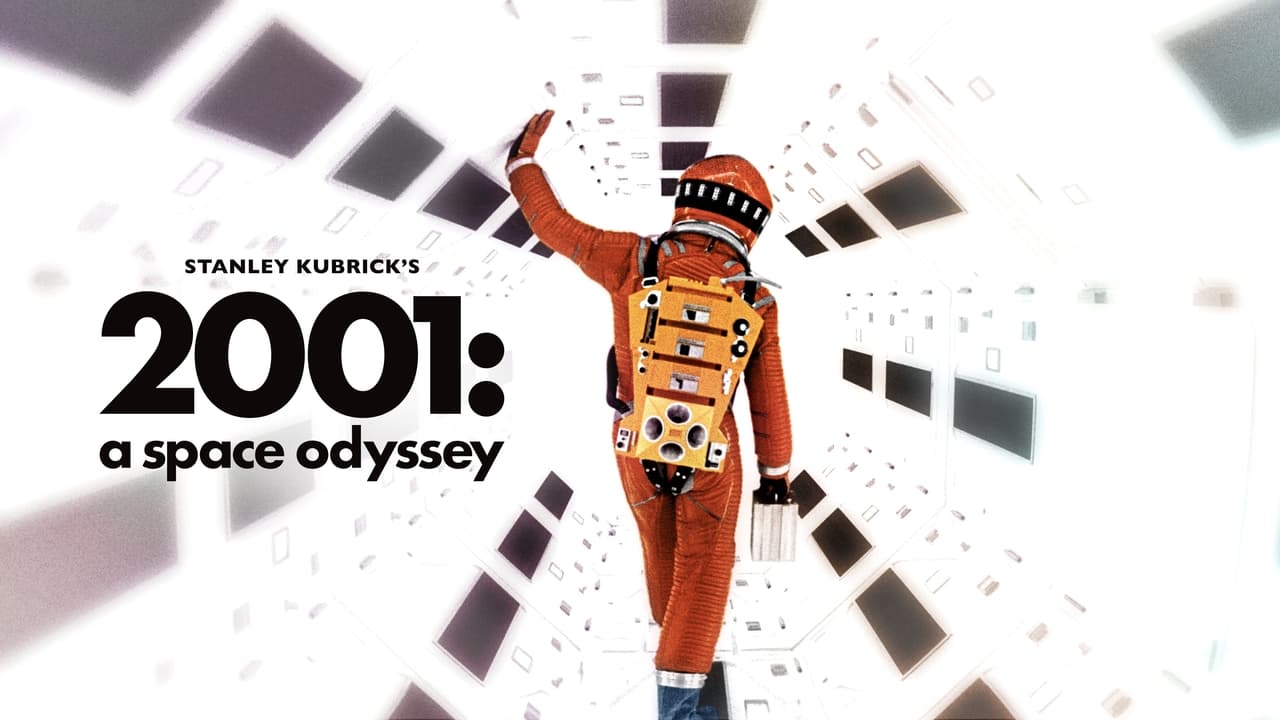
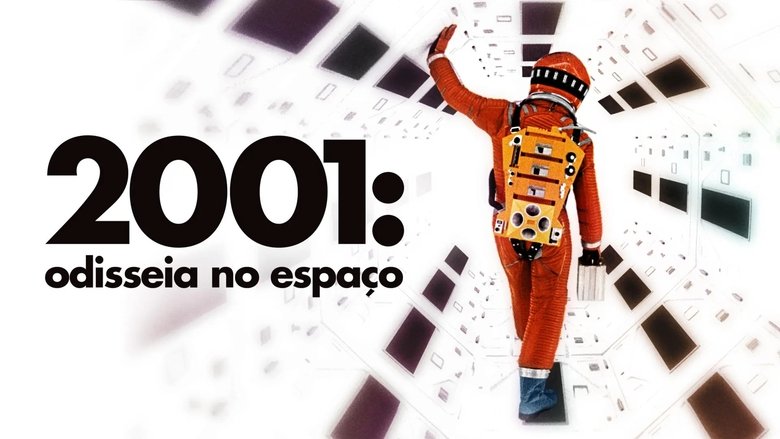
2001: A Space Odyssey redefined science fiction by replacing the sensationalist, pulp-adventure tropes of the mid-20th century with speculative realism and philosophical inquiry. Prior to 1968, cinematic science fiction was largely populated by alien invasions, atomic monsters, and simplistic space-opera narratives. Kubrick, working with science fiction author Arthur C. Clarke, approached the genre with a level of scientific accuracy and technical realism never before seen in Hollywood. They consulted aerospace engineers and industrial designers to ensure that the spaceships, artificial gravity, and computer interfaces were plausible projections of actual technology. More importantly, Kubrick abandoned the standard narrative structures of conflict and resolution. There are no alien monsters to fight, and the extraterrestrial intelligence is never physically shown. By framing the search for alien life as a deeply spiritual, evolutionary journey rather than a military battle, the film elevated science fiction from juvenile escapism to a serious artistic medium capable of addressing existential questions.■

The Green Mile|1999 · Frank Darabont
What is the thematic significance of the green linoleum floor in the prison?
While the green linoleum floor of Cold Mountain Penitentiary is universally understood as a corridor of…